
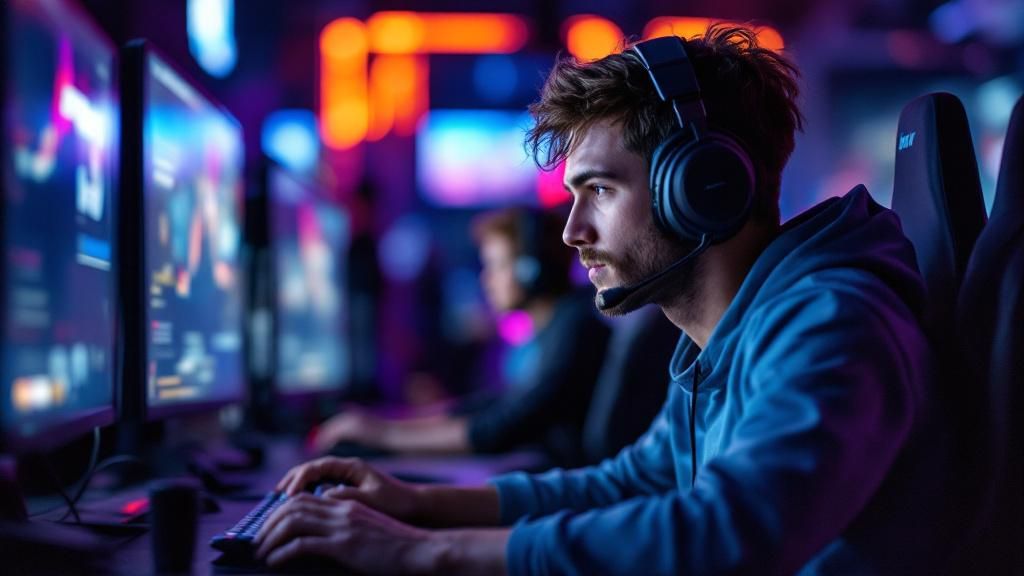
The thriving esports industry has undergone a remarkable transformation, with professional teams now understanding mental health as critical to player performance and wellbeing. Gone are the days when organisations focused solely on gaming prowess; modern leading esports franchises allocate considerable resources to psychological support, counselling services, and wellness programmes. This article investigates how top-tier teams are advancing mental health initiatives, the obstacles players face, and why this shift marks a fundamental evolution in professional gaming culture.
The Increasing Importance of Psychological Health in Professional Esports
The competitive esports landscape has undergone a profound shift in recent years, with psychological wellbeing emerging as a critical component of player development and team success. Professional teams now acknowledge that mental toughness is just as vital as mechanical skill and tactical understanding. This recognition arises from mounting evidence that mental wellbeing directly influences results, reliability, and career sustainability within the competitive sphere. As competition intensifies and prize pools expand, competitors encounter intense demands, making robust mental health support an essential investment rather than an optional luxury for ambitious teams.
The progression towards prioritising mental health reflects a wider evolution of esports as a legitimate sporting discipline. Major franchises have begun implementing extensive wellbeing initiatives that manage stress reduction, fatigue avoidance, and emotional resilience. These measures acknowledge the particular cognitive pressures of elite-level gaming, including prolonged practice routines, public scrutiny, and the constant pursuit of excellence. By establishing nurturing cultures and providing professional mental health resources, top-tier organisations demonstrate their commitment to player welfare whilst simultaneously enhancing their competitive advantage through improved focus, decision-making, and overall performance.
Thorough Mental Wellbeing Initiatives in Elite Teams
Leading esports organisations have developed multifaceted mental health frameworks that extend far beyond fundamental wellbeing programmes. These comprehensive programmes integrate expert therapeutic support, stress management training, and colleague support networks crafted to address the distinctive challenges of professional esports. Teams understand that sustained performance requires psychological resilience alongside competitive ability, spurring commitment to specialised psychological services that compares with established athletic institutions.
Professional Counselling and Therapy Services
Elite esports franchises now engage qualified mental health professionals and mental health professionals who concentrate on athlete wellbeing and performance psychology. These specialists work directly with players to address stress, low mood, exhaustion, and the psychological toll of high-pressure competition. Frequent private consultations deliver secure assistance, helping players to establish mental frameworks and preserve psychological balance throughout demanding competitive seasons.
Moreover, various organisations offer access to specialised therapy modalities including cognitive-behavioural therapy and mindfulness-based approaches. These evidence-backed methods enable players to manage competitive anxiety, sharpen focus, and strengthen emotional management skills. By promoting mental health conversations within team environments, franchises have successfully minimised stigma and encouraged players to actively seek support rather than enduring in silence.
Stress Management and Resilience Training
Comprehensive stress management initiatives provide players with actionable strategies for handling the significant demands fundamental to elite esports. Training sessions cover breathing exercises, progressive muscle relaxation, and cognitive reframing strategies designed to minimise performance anxiety. These programmes enable players to stay composed during critical competitions and bounce back between matches, ultimately boosting consistency and longevity.
Resilience training serves as another cornerstone of modern mental health support, centred on developing psychological strength and flexibility. Coaches guide players to view challenges as growth experiences, enhance self-assurance through organised target-setting, and cultivate mental toughness. By integrating these resilience-building practices into established team practices, organisations build cultures where mental development parallels technical development, creating well-rounded competitors capable of performing under strain.
Effect on Player Output and Team Success
The integration of extensive psychological services has delivered demonstrable improvements in player performance across professional esports organisations. Teams working with sports psychologists report improved concentration, better tactical choices during crucial tournament games, and enhanced stability in gameplay. Players experience improvements with anxiety reduction strategies and mood management approaches, enabling them to maintain maximum mental sharpness throughout demanding tournament schedules. This psychological foundation produces performance benefits, as mentally resilient athletes perform with greater consistency when stakes are highest.
Organisational performance increasingly correlates with spending on athlete welfare initiatives. Franchises offering comprehensive psychological support achieve better player retention, fewer burnout-driven absences, and improved team unity. The support framework creates safer environments where athletes speak candidly about obstacles, building confidence between coaches and players. This openness allows quicker response when difficulties arise, preventing minor issues from developing into major issues that could compromise both player prospects and organisational outcomes during critical competitive periods.
Looking forward, mental health support represents a fundamental competitive necessity rather than a luxury amenity in professional esports. Teams prioritising psychological wellbeing attract higher-calibre talent, maintain healthier rosters, and achieve long-term competitive performance. As the industry matures, organisations acknowledging this connection will establish themselves as industry frontrunners, setting standards that redefine professional gaming excellence beyond mere technical skill to encompass holistic athlete development and sustained career longevity.
