
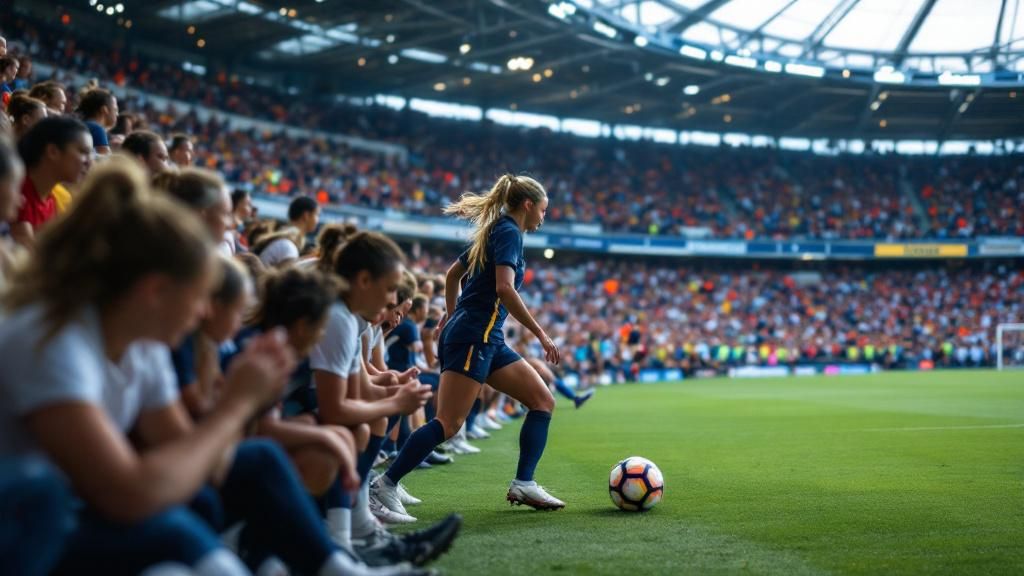
Women’s football has reached remarkable new levels, breaking attendance records and engaging audiences worldwide. From packed stadiums to capacity events, the sport is undergoing a remarkable surge in appeal that shows no signs of slowing down. This article examines the extraordinary growth trajectory of women’s football, analysing the landmark statistics that illustrate the sport’s growing audience, the forces behind this resurgence, and what this momentum means for the prospects of women’s athletics.
Increasing Attendance and Supporter Involvement
Women’s football has seen an exceptional surge in viewer numbers, with stadiums across Europe and beyond experiencing record-breaking attendance figures. The 2023 UEFA Women’s Champions League final attracted over 62,000 supporters at the PSV Stadion in Eindhoven, whilst domestic leagues have similarly reported substantial rises in match-day crowds. These remarkable figures represent a significant change in how audiences connect with women’s sport, demonstrating that substantial commercial viability and genuine fan enthusiasm now support the women’s game.
The participation stretches far beyond match attendance, with broadcasters revealing record broadcast audiences and streaming figures. Social media platforms have become thriving communities where supporters debate strategy, celebrate achievements, and forge relationships with fellow supporters. This multi-channel participation has created a complete ecosystem around women’s football, nurturing closer ties between clubs and their supporters. The digital revolution has opened up access to matches, allowing fans worldwide to participate in the growing movement regardless of geographical location or financial constraints.
Clubs have carefully allocated resources in audience experiences, recognising that fan engagement directly correlates with long-term expansion. Improved ground infrastructure, affordable ticket pricing, and grassroots engagement initiatives have made women’s football more readily available to diverse demographics. These programmes have built loyal fanbases that extend beyond established fan bases, engaging families, youth, and people new to the game. This expanded reach represents a pivotal shift for women’s athletics.
Investment and Business Growth
The remarkable surge in women’s football viewership has attracted significant financial backing from broadcasters, sponsors, and club owners worldwide. Leading broadcasters have substantially expanded their broadcasting of women’s matches, recognising the lucrative potential of this expanding market. Sponsorship deals have multiplied, with major companies willing to associate themselves with the sport’s positive momentum. This financial backing has enabled clubs to enhance upgraded grounds, coaching facilities, and player development programmes, creating a upward spiral of progress and standards that raises the standard of matches.
Financial institutions and venture capitalists now view women’s football as a promising investment opportunity, leading to increased funding for team management and grassroots development initiatives. Prize money for top-tier competitions has risen substantially, reflecting the sport’s growing market appeal and attracting world-class players from across the world. Broadcasting rights have commanded ever-increasing fees, demonstrating broadcaster confidence in audience engagement. This influx of capital has revolutionised women’s football from a undervalued industry into a flourishing professional business, enabling sustained growth and providing players with enhanced earnings and career prospects comparable to their male counterparts.
Future Outlook and Difficulties
The trajectory of female football appears exceptionally promising, with investment from major broadcasters and sponsors hitting record levels. However, maintaining this growth presents substantial difficulties. Clubs must reconcile financial development with youth development initiatives, ensuring youth talent channels remain resilient. Facility upgrades, including stadium facilities and practice facilities, require significant financial commitment. Additionally, wage structures and playing contracts must evolve to keep elite players and reduce departures to better-funded leagues overseas.
- Funding for youth academies and grassroots football initiatives
- Expansion of broadcasting rights across numerous international broadcasters
- Creating long-term revenue sources via sponsorship agreements and merchandise sales
- Upgrading stadium facilities and infrastructure across top-tier clubs
- Creating competitive wage structures for retaining top international performers
Looking ahead, women’s football stands at a critical juncture where careful planning and ongoing funding are necessary. The sport’s regulatory authorities must focus on parity across financial allocation, press attention, and player remuneration to ensure lasting stability. Joint initiatives between leagues, clubs, and international federations will shape whether current growth translates into enduring systemic reform. Success necessitates commitment from stakeholders to reshape women’s football from a emerging trend into a completely integrated, professionally acknowledged competitive sphere internationally.
